
How to File a Roof Insurance Claim in Dallas After Hail Damage
Filing a roof insurance claim after a hailstorm can feel overwhelming, especially in Dallas where severe weather hits nearly every spring. This guide covers exactly how to document damage, what to expect from your adjuster, how long the process typically takes, and how a licensed local roofer can support your roof insurance claim from start to finish.
One spring afternoon in Southlake, a homeowner heard hail hammering the roof for almost ten minutes straight. By the time the storm passed, granules were piling up in the gutters and nobody in the house knew what to do next. That moment of not knowing where to start is exactly why this guide exists.
Why Roof Insurance Claims Are So Common in North Texas
North Texas sees some of the most severe hail activity in the country, and that reality shapes almost every roof insurance claim filed in Dallas each year. The National Weather Service Fort Worth office tracks storm activity across the Dallas-Fort Worth metroplex, and hailstorms strong enough to damage asphalt shingles happen multiple times a season here, not once in a decade.
At Hart Roofing & Construction, we have inspected roofs across Dallas, Fort Worth, Southlake, and the surrounding suburbs since 2014, and the pattern is consistent. A storm rolls through, granules wash into the gutters, and homeowners are left wondering whether the damage is bad enough to justify a roof insurance claim. Our ultimate guide to storm damage roof repair in Dallas walks through what real storm damage looks like up close, which is worth reading before you pick up the phone.
North Texas sees some of the most severe hail activity in the country, and that reality shapes almost every roof insurance claim filed in Dallas each year. The National Weather Service Fort Worth office tracks storm activity across the Dallas-Fort Worth metroplex, and hailstorms strong enough to damage asphalt shingles happen multiple times a season here, not once in a decade.
At Hart Roofing & Construction, we have inspected roofs across Dallas, Fort Worth, Southlake, and the surrounding suburbs since 2014, and the pattern is consistent. A storm rolls through, granules wash into the gutters, and homeowners are left wondering whether the damage is bad enough to justify a roof insurance claim. Our ultimate guide to storm damage roof repair in Dallas walks through what real storm damage looks like up close, which is worth reading before you pick up the phone.
Steps to File a Roof Insurance Claim After a Storm
Filing a roof insurance claim does not have to be complicated if you approach it in order.
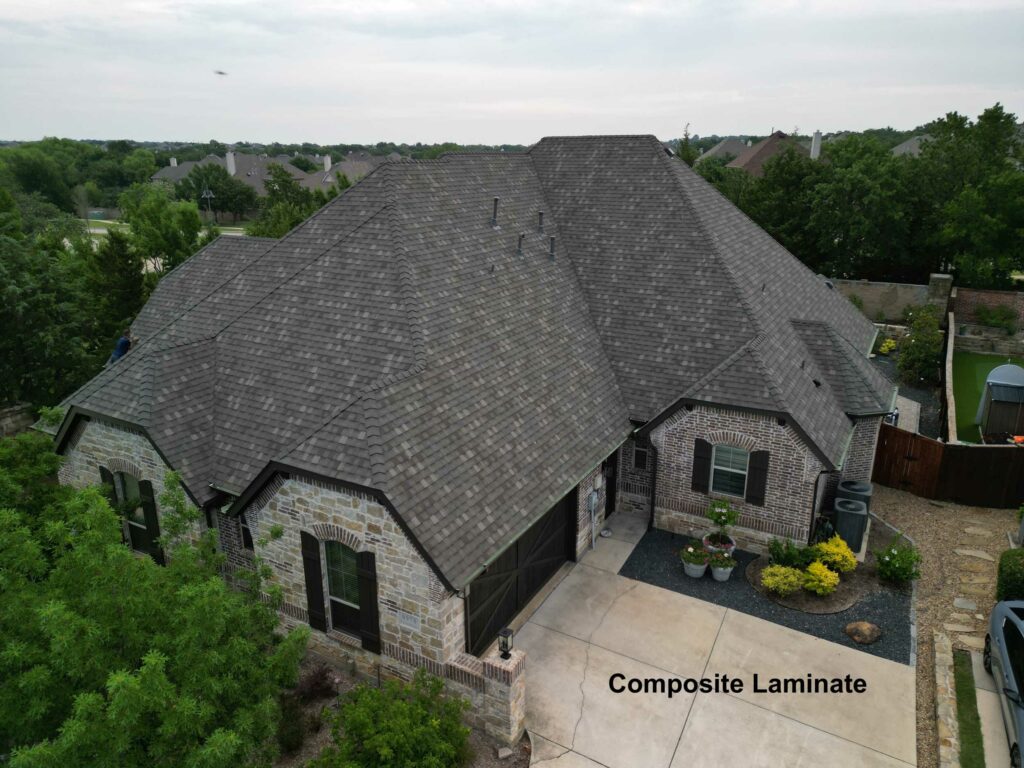
- Document the damage right away with photos from the ground, including close-ups of any dents, missing granules, or torn shingles.
- Schedule a free roof inspection with a licensed local contractor before contacting your insurer, so you know what you are actually dealing with.
- Report the claim to your insurance company and get a claim number in writing.
- Meet your insurance adjuster at the property, ideally with your contractor present to point out storm damage roof insurance issues that are easy to miss from the ground.
- Compare your contractor's written estimate against the adjuster's scope of work before signing anything.
- Review the settlement offer carefully, and ask about depreciation or supplement requests if the numbers seem short.
What a Roofing Contractor's Role Is During a Roof Insurance Claim
A good contractor is not a public adjuster and should never claim to be one. What a licensed roofer can do is document damage accurately, use the same technical language as the roofing insurance adjuster, and make sure nothing gets missed on the estimate. Hart Roofing has been licensed with the Roofing Contractors Association of Texas and BBB accredited since 2017, and that standing matters when an adjuster is deciding whether to trust the scope of work in front of them. You can see our credentials and manufacturer certifications on our affiliations page.
We are also a certified installer for CertainTeed, Atlas, and Owens Corning, which means the materials we recommend during a roof insurance claim meet standards insurers already recognize. That certification does not change what your policy covers, but it removes one more point of friction from the process.
Roof Insurance Claim Timeline: What to Expect
Every roof insurance claim moves at its own pace, but most Dallas homeowners can expect a process that looks something like this.
| Step | Typical Timeframe | What Happens |
|---|---|---|
| Report the claim | Same day to 3 days | You notify your insurer and receive a claim number |
| Adjuster inspection | 3 to 14 days | Adjuster visits the property to assess hail damage roof repair needs |
| Contractor estimate | 1 to 2 weeks | Your roofer documents damage and submits a scope of work |
| Settlement issued | 2 to 4 weeks | Insurer approves, denies, or partially approves the claim |
| Repair or replacement | 1 to 3 days | Work begins once materials are ordered and scheduled |
If your roof insurance claim stalls at any point, our complete roof replacement cost guide for Dallas-Fort Worth homeowners breaks down typical costs so you can sanity check whatever number your insurer comes back with.
Choosing Materials That Support Your Roof Insurance Claim
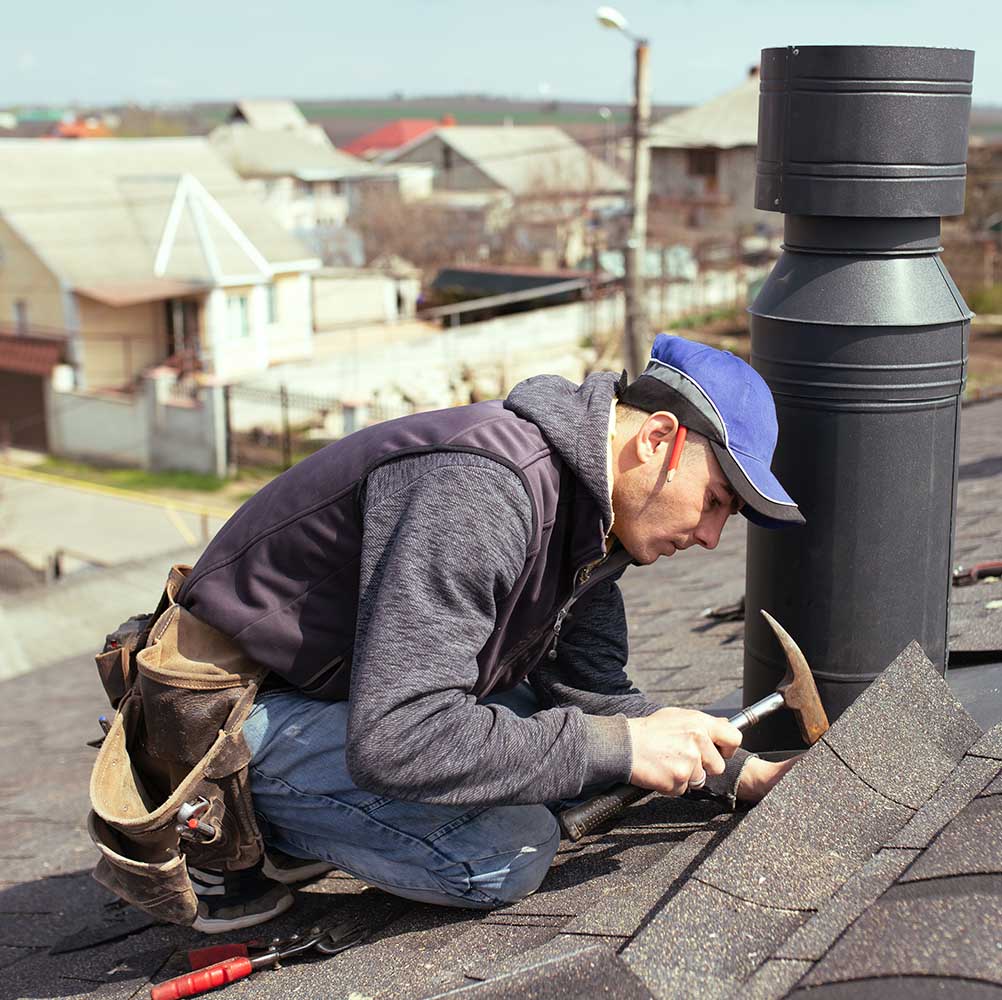
Some homeowners use a roof insurance claim as a chance to upgrade to Class 4 impact-resistant shingles, which are rated to withstand hail better than standard shingles and can sometimes lower your homeowners insurance premium afterward, a class 4 shingles insurance discount worth asking your agent about directly since it varies by policy. Our hail-resistant roofing guide covers which materials perform best for a Fort Worth hail damage roof or a Dallas one, and why we recommend them.
If your settlement does not fully cover an upgrade like this, financing options can help cover the difference without waiting on a second claim down the road.
Common Mistakes That Delay a Roof Insurance Claim in Dallas
The biggest mistake we see is homeowners waiting weeks after a storm to file, which gives insurers room to question whether the damage was storm related at all. A close second is accepting the first settlement number without a second opinion from a local roofer who has actually seen hundreds of Dallas roofs after a storm. The Texas Department of Insurance confirms that policyholders have the right to request a reinspection if they disagree with an adjuster’s findings, and that right gets used far too rarely. The Insurance Information Institute also notes that most claim denials trace back to incomplete documentation rather than the damage itself, which is exactly why photographing everything before the adjuster arrives matters so much.
A Straightforward Roof Insurance Claim Starts With the Right Inspection
Filing a roof insurance claim in Dallas does not need to feel like guesswork. Document the damage, get a professional opinion before you call your insurer, and choose a contractor who has actually stood on hundreds of Dallas and Fort Worth roofs after a storm. Hart Roofing has replaced more than 1,200 roofs since 2014, and every one of those jobs started with an honest inspection, not a sales pitch.
If a recent storm has you wondering whether it is time to start a roof insurance claim, request a free roof inspection from Hart Roofing and get real answers before you call your insurer.
Frequently Asked Questions
Most Texas policies give homeowners about one year from the storm date to file a roof insurance claim, but you shouldn't wait that long. Filing quickly makes it easier to prove the damage was storm related and gives your contractor time to document everything before shingles degrade further.
It depends on your policy and the extent of the damage. A roof insurance claim typically covers repair or replacement once hail or wind damage is confirmed by an adjuster, minus your deductible. A free inspection helps you understand whether your damage meets that threshold before you file.
Yes. Your insurer cannot require you to use a specific contractor for your roof insurance claim. You have the right to choose a licensed, local roofer who can meet the adjuster on site and make sure the scope of work reflects the actual damage.
You can request a reinspection through the Texas Department of Insurance if you believe your roof insurance claim was wrongly denied. A second opinion from an experienced local roofer often uncovers damage the first adjuster missed, especially around flashing and vents.