Roof Replacement for DFW Homeowners
What DFW Homeowners Need to Know About Roof Replacement
This guide covers what actually drives a roof replacement decision: the warning signs that mean repair won’t cut it, what affects the scope of the job, and what to expect from the process. Hart Roofing has served the Dallas-Fort Worth area since 2014, including Southlake, Keller, Westlake, Grapevine, Dallas, Fort Worth, Flower Mound, and Allen.
DFW sits in one of the more demanding roofing climates in the country. Spring hail seasons, summer heat that pushes well past 100 degrees, and the occasional winter ice event all put stress on a roof from different directions. A free inspection is the fastest way to find out where your roof actually stands.
Choosing the Right Material for Your Roof Replacement
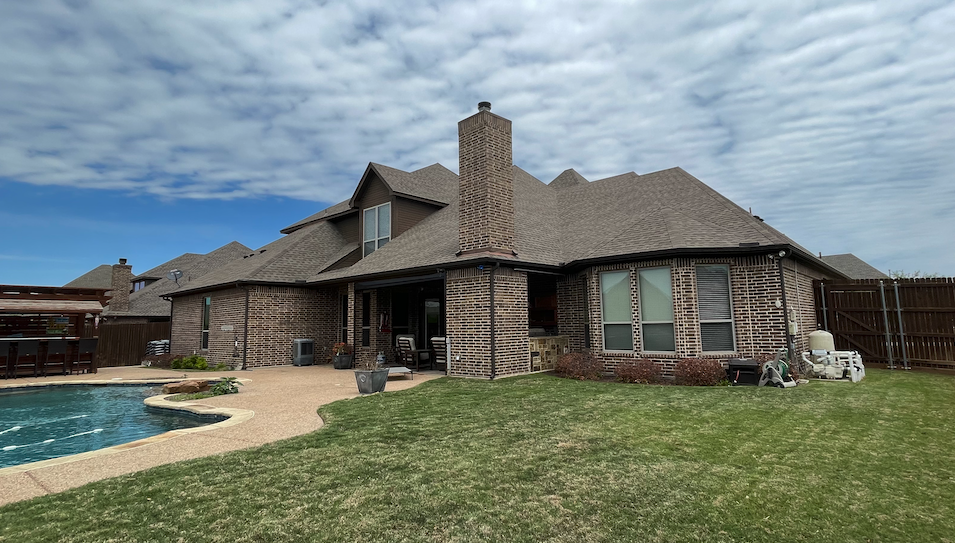
Material choice affects how your roof performs against DFW weather and how long it lasts before you’re back here again.
| Material | Why DFW Homeowners Choose It | Hart Roofing Certification |
|---|---|---|
| Architectural Shingles | Better wind and hail resistance than basic shingles, the most common upgrade in this market | CertainTeed, Atlas, Owens Corning certified installer |
| 3-Tab Asphalt Shingles | Straightforward, budget-conscious option | CertainTeed, Atlas, Owens Corning certified installer |
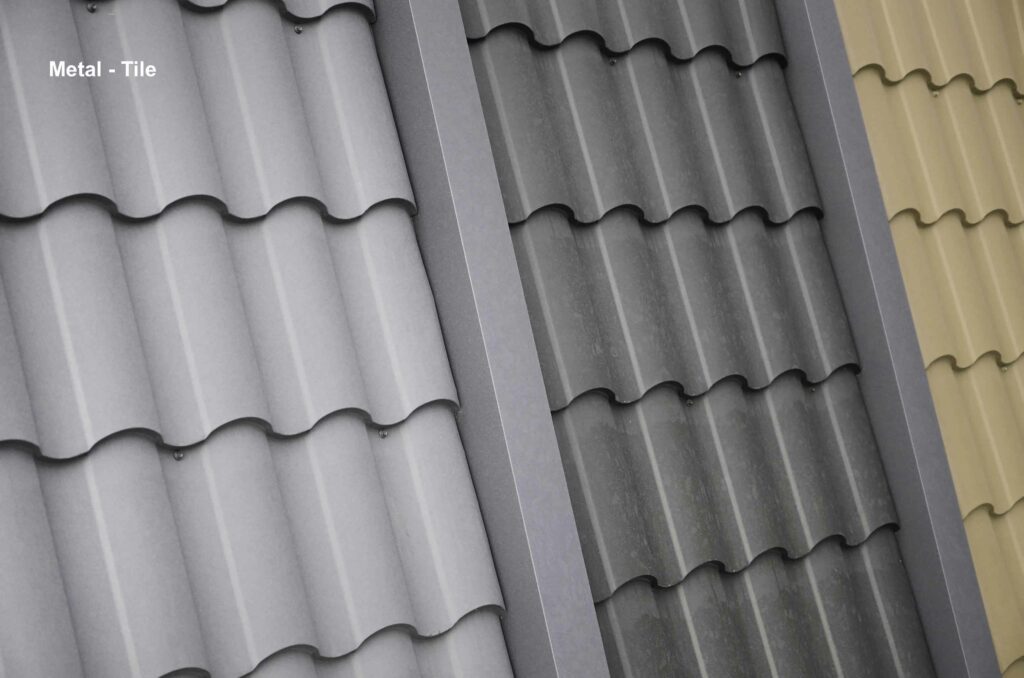
| Metal Roofing | Built for long-term durability against hail and wind | Available through Hart Roofing, ask during your inspection |
| TPO / Flat Roofing | Common choice for commercial properties | See our commercial roofing materials page |
What Drives the Scope of Your Roof Replacement
Getting solid roof replacement quotes Dallas contractors send over means understanding what they’re actually pricing.
A larger roof or a steeper pitch means more material and more time on the job. A single-story home with a simple roofline is a different scope than a two-story home with a steep pitch.
Upgrading from basic shingles to impact-resistant architectural shingles changes both the material cost and the long-term durability of your roof, especially relevant in a hail-prone market like DFW.
Texas heat and storm moisture can cause decking to deteriorate over time. If our crew finds soft spots or damage once the old roofing comes off, that gets addressed as part of the job, and you’ll know about it before we move forward, not after.
Access, existing damage, and any code or permit requirements specific to your property all factor into the final scope. This is exactly why we inspect before we quote.
When to Replace Your Roof
A few signs it’s time to talk replacement instead of another repair:
- Shingles curling or cupping at the edges
- Granule loss collecting in your gutters after rain
- Daylight visible from inside your attic
- Interior water stains showing up after a storm
- A roof that's 20-plus years old and has taken multiple hail hits
The National Roofing Contractors Association recommends professional inspections at least twice a year, especially after severe weather. In DFW, right after hail season and again before winter are both good windows to get one scheduled.
Cool Roofing Worth Considering
If you’re already planning a roof replacement, reflective materials are worth asking about. The U.S. Department of Energy notes that cool roofing products can reduce rooftop temperatures and ease the load on your air conditioning system, relevant in a market where AC runs for most of the year. Light-colored architectural shingles and metal roofing both qualify.
Financing Your Roof Replacement
A full roof replacement is a major purchase, and most homeowners don’t have the full amount sitting in savings. Common ways DFW homeowners manage the cost:
- Homeowners insurance claims after documented hail or wind damage
- Home equity lines of credit
- Contractor-arranged financing programs
- HUD Title 1 home improvement loans for qualifying properties
Hart Roofing offers financing options so you can move forward without waiting to save the full amount. Waiting on a damaged roof usually leads to interior repairs that cost more than acting on it early.
Getting a Roof Replacement Quote You Can Trust
Get a free inspection before you commit to anything. Ask whichever contractor you’re considering which shingle manufacturer they’re certified to install, what the labor and material warranties cover, and whether they pull permits. Be cautious of any contractor who quotes from the ground; a legitimate crew goes up on the roof, checks decking and flashing, and builds a real scope before putting numbers on paper. That’s how Hart Roofing handles every inspection.
Final Thoughts on Roof Replacement
The right call between repair and full replacement comes down to your roof’s age, the extent of the damage, and what’s underneath the shingles once we take a look. A free inspection from Hart Roofing gives you a straight answer either way, backed by a team that’s been doing this in DFW since 2014.
Ready to find out where your roof stands? Contact Hart Roofing for a free, no-obligation inspection.
Frequently Asked Questions
It comes down to the age of your roof, how widespread the damage is, and whether there are multiple leak points instead of one. A free inspection gives you a clear answer.
It depends on the material. Architectural shingles generally hold up well against DFW's heat and storm cycles; metal roofing lasts considerably longer. Your inspector can give you a more specific estimate based on what you choose.
Right after hail season or before winter both tend to work well, since crews typically have more availability outside of peak storm response periods.
It depends on your policy and the cause of the damage. Hail and wind from a named storm is often covered; age-related wear typically isn't. Have a contractor document any storm damage before you file a claim.
If damage covers a large portion of the roof, if the decking is compromised, or if the roof is near or past its expected lifespan, full replacement usually makes more sense than repeated patching. A free inspection will tell you which situation you're in.