Hail Resistant Roofing Dallas: Best Materials for Texas Storms
Hart Roofing & Construction
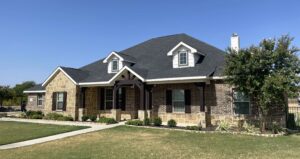
Hail resistant roofing Dallas homeowners choose can mean the difference between a roof that survives Texas storms and one that leaves you filing insurance claims every spring. In the heart of Dallas-Fort Worth, where golf-ball-sized hail can pummel homes during severe weather, impact-resistant shingles rated Class 4 by UL 2218 standards withstand 2-inch hail without cracking, offering extended warranties up to 50 years and potential insurance discounts of 20-30%.
After watching hundreds of DFW roofs take a beating from spring supercells, I’ve seen firsthand which materials hold up and which ones leave homeowners filing claims every other year. The difference between a roof that survives hail season and one that doesn’t often comes down to understanding what actually works in North Texas weather.
Hart Roofing & Construction
Why Dallas Needs Specialized Hail Protection
North Texas sits squarely in Hail Alley, where warm Gulf moisture collides with dry western air to spawn severe thunderstorms from March through June. The National Weather Service reports DFW experiences significant hail events averaging three to five times annually, with some storms dropping ice chunks exceeding baseball size. This makes hail resistant roofing Dallas property owners install more critical than in most other regions.
Standard three-tab asphalt shingles weren’t designed for this kind of punishment. I’ve pulled off roofs in Plano and Arlington where a single storm created thousands in damage because homeowners didn’t know better options existed. When hail hits at terminal velocity, it needs a roof built to absorb that kinetic energy without fracturing or losing protective granules.
Texas building codes don’t require hail resistant roofing Dallas installations, but insurance companies have started paying attention. Many carriers now offer premium reductions for Class 4 rated materials because claims data shows these roofs sustain far less damage during severe weather events tracked by the National Weather Service Fort Worth office.
Impact Resistant Shingles: The Gold Standard
How Class 4 Shingles Work
Class 4 impact resistant shingles Texas products represent the toughest asphalt option available. These shingles incorporate a rubberized polymer modified asphalt core that flexes under impact rather than cracking like traditional materials. During UL 2218 testing, manufacturers drop a two-inch steel ball from 20 feet onto the shingle twice in the same spot. Class 4 rated products show no cracking or granule loss.
Real-World Performance in DFW Storms
After the 2016 hailstorm that devastated parts of Wylie and Murphy, roofs with impact resistant shingles showed minimal damage while neighboring homes with standard materials needed complete replacements. Getting a professional roof inspection in Dallas helps identify whether your current roof has the protection you need.
Top Manufacturers and Cost Considerations
Major manufacturers like GAF, Owens Corning, and CertainTeed all produce Class 4 lines specifically marketed for hail-prone regions. When comparing hail resistant roofing Dallas pricing, these products typically cost 15-20% more than standard architectural shingles, but the Texas Department of Insurance confirms many carriers discount premiums enough to offset that difference within five to seven years.
Installation Quality Matters
Installation matters as much as the product itself. Proper nail placement, adequate ventilation, and correct underlayment all contribute to overall system performance. I’ve seen expensive Class 4 shingles fail because installers rushed the job or skipped critical steps like ice and water barrier application at vulnerable penetrations.
Hart Roofing & Construction
Metal Roofing: Maximum Hail Resistance
When discussing metal roofing hail damage DFW resistance, steel and aluminum panels consistently outperform other materials. A properly installed standing seam metal roofing system can last 50 years or more in North Texas, shrugging off hailstones that would destroy asphalt products. Our residential roofing services include both metal and impact-resistant shingle installations.
The physics are straightforward. Metal panels are thicker and more rigid than composite shingles, dispersing impact energy across a larger surface area. Hail leaves cosmetic dents but rarely penetrates or compromises the waterproof integrity. I’ve inspected 20-year-old metal roofs in Frisco that survived multiple severe storms with nothing more than minor dimpling visible from ground level.
Stone-Coated Steel Options
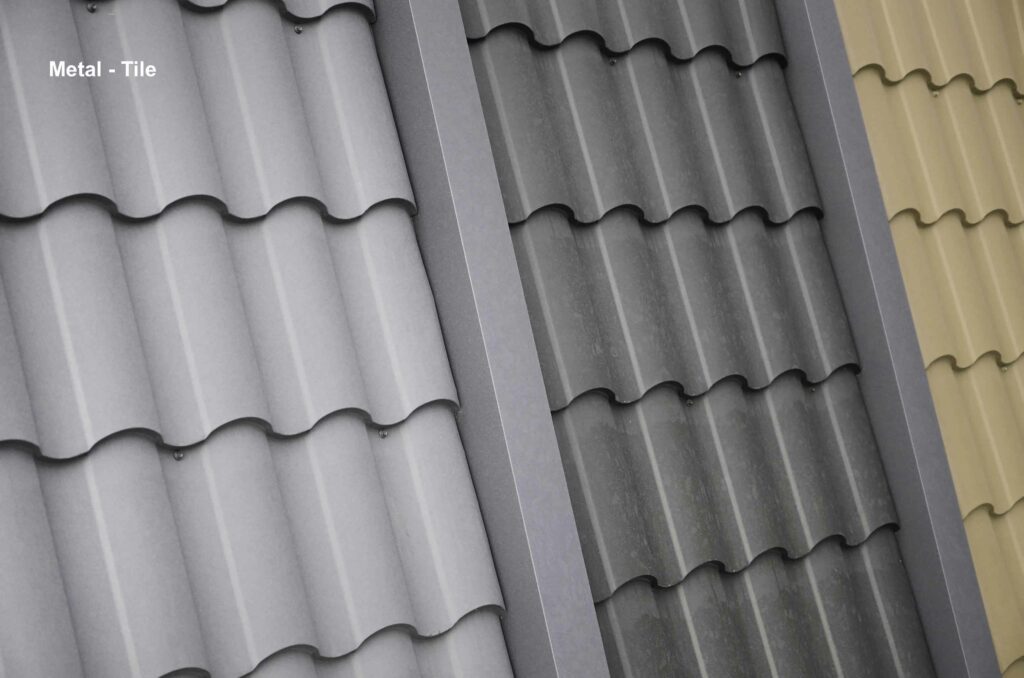
Stone-coated steel offers additional benefits by combining metal’s durability with an aesthetic closer to traditional shingles or tile. For homeowners seeking hail resistant roofing Dallas contractors recommend, stone-coated products provide an attractive middle ground. The stone granule coating helps absorb some impact energy while providing UV protection and reducing thermal expansion issues common with bare metal in Texas heat.
The main drawback remains cost. Metal roofing installations run two to three times more than impact resistant shingles for comparable square footage. However, when you factor in longevity and virtually zero maintenance, the lifetime cost often works out favorably. Many DFW homeowners in luxury neighborhoods have switched to metal specifically because they’re tired of filing insurance claims after every spring storm season.
Hart Roofing & Construction
Concrete and Clay Tile Options
Maximum Impact Resistance
Tile roofing represents the most hail-resistant option available, though it’s less common in Dallas suburbs than in southwestern states. Modern concrete tiles rated for impact resistance can handle extreme hail with minimal cracking, especially products designed specifically for severe weather regions.
Structural Requirements for Tile
The weight factor limits tile applications in North Texas. Most residential structures weren’t engineered for the additional load concrete or clay tiles impose, requiring structural reinforcement that adds significant expense. However, homes in Preston Hollow, Highland Park, and other established neighborhoods often have the necessary framing to support tile installations.
Energy Efficiency Benefits
Tile’s thermal mass also provides energy efficiency benefits in our climate. The material’s density helps moderate attic temperatures during brutal July and August heat, potentially reducing cooling costs. When hail does cause tile damage, individual pieces can be replaced rather than requiring complete section tear-offs like asphalt products.
Comparing Your Best Roof for Hail Fort Worth Options
| Material | Hail Rating | Lifespan | Cost Factor | Best For |
|---|---|---|---|---|
| Class 4 Shingles | Excellent | 30-50 years | Baseline | Most DFW homes, budget-conscious |
| Standing Seam Metal | Outstanding | 50+ years | 2-3x shingles | Long-term investment, modern aesthetic |
| Stone-Coated Steel | Outstanding | 40-50 years | 2x shingles | Traditional look with metal durability |
| Concrete Tile | Excellent | 50+ years | 2.5-3x shingles | Luxury homes, Mediterranean style |
This comparison reflects real installed costs and performance data from North Texas projects. Your specific situation depends on budget, home structure, HOA restrictions, and long-term ownership plans.

Hart Roofing & Construction
Installation Considerations for DFW Homes
Underlayment Selection Matters
Proper installation separates adequate protection from exceptional performance regardless of material choice. In Dallas-Fort Worth's climate, underlayment selection matters tremendously for any hail resistant roofing Dallas installation. Synthetic underlayments resist Texas heat better than traditional felt paper, maintaining integrity during summer installations when roof deck temperatures exceed 160 degrees.
Local Expertise Makes the Difference
Local installers familiar with DFW weather patterns understand nuances that matter. They know which valleys need ice and water barrier even though we rarely see snow. They recognize that spring hail often comes with high winds requiring upgraded fastener patterns per UL impact resistance standards.
Ventilation Requirements
Ventilation requirements don't change with hail resistant roofing Dallas materials, but the investment makes proper airflow even more critical. Ridge vents combined with adequate soffit intake prevent moisture accumulation and extend material lifespan. I've seen Class 4 shingles fail prematurely in Grand Prairie and Irving because attic ventilation was inadequate, creating conditions where heat degraded the polymer modified asphalt.
Hart Roofing & Construction
Finding the Right Hail Resistant Roofing Dallas Contractor
Verify Manufacturer Certifications
Choosing quality materials only gets you halfway to a durable roof. The contractor you hire determines whether those materials perform as designed. Look for contractors with manufacturer certifications for the specific products you’re considering. GAF Master Elite, Owens Corning Platinum Preferred, and CertainTeed Select ShingleMaster designations indicate a roofer has met training requirements and maintains quality standards.
Check DFW-Specific Experience
A contractor who installs 200 standard roofs annually but only handles a few Class 4 jobs might not understand the critical differences in hail resistant roofing Dallas requires. Ask for references from homeowners who had impact-resistant materials installed at least three years ago so you can verify long-term performance. Local experience with North Texas hail patterns makes a substantial difference in installation quality.
Confirm Proper Insurance Coverage
Texas requires roofers to carry liability and workers’ compensation insurance, but coverage amounts vary widely. Verify these essentials before signing contracts:
- $1 million general liability policy minimum
- Active workers' compensation coverage
- Current Texas contractor license
- Current Texas contractor license Proof of manufacturer certifications
- Local business address and references
Get Detailed Written Estimates
Vague quotes that lump everything into one number make it impossible to compare contractors fairly. The estimate should specify exact product models, including the manufacturer’s name and impact rating, so you know you’re getting what you paid for when crews arrive.
Hart Roofing & Construction
Frequently Asked Questions
Hail resistant roofing Dallas systems use impact-rated materials like Class 4 shingles with polymer modified asphalt or metal panels that flex or disperse energy instead of cracking. These materials undergo UL 2218 testing where two-inch steel balls strike them without causing damage, providing superior protection during DFW hail storms.
Yes, most Texas carriers offer 15-35% discounts on dwelling coverage for Class 4 rated roofs. The Texas Department of Insurance confirms these programs because claims data shows significantly less damage from hail events, making it a win for both homeowners and insurers.
Metal roofing typically lasts 50-plus years in North Texas with minimal maintenance, while Class 4 impact resistant shingles last 30-50 years depending on specific product and installation quality. Both outlast standard three-tab shingles by decades in our hail-prone climate.
Impact resistant shingles fit virtually any residential structure, but metal and tile options may require structural evaluation. Older homes sometimes need reinforcement for heavier materials, adding to project costs. A professional inspection determines what your specific home can support.
For most Fort Worth homes, Class 4 impact resistant shingles offer the best balance of protection, cost, and aesthetics. Homes with higher budgets or modern designs benefit from standing seam metal, while luxury properties with proper framing can consider concrete tile for maximum durability.
Hart Roofing & Construction
Conclusion
Hail resistant roofing Dallas solutions have changed considerably in recent years, giving homeowners real options beyond hoping their standard asphalt survives the next supercell. Impact resistant shingles provide excellent protection at reasonable cost, metal roofing delivers maximum durability for those willing to invest, and tile offers premium performance where structural conditions allow. When selecting hail resistant roofing Dallas contractors install, understanding your home’s specific needs and DFW’s unique weather patterns helps you make informed decisions that protect your investment for decades. Schedule a free roof inspection to evaluate your options and get expert recommendations tailored to your property.